Exploring the Unique Flora and Fauna That Thrive in the Volcanic Soil Surrounding Mount Batur Trekking
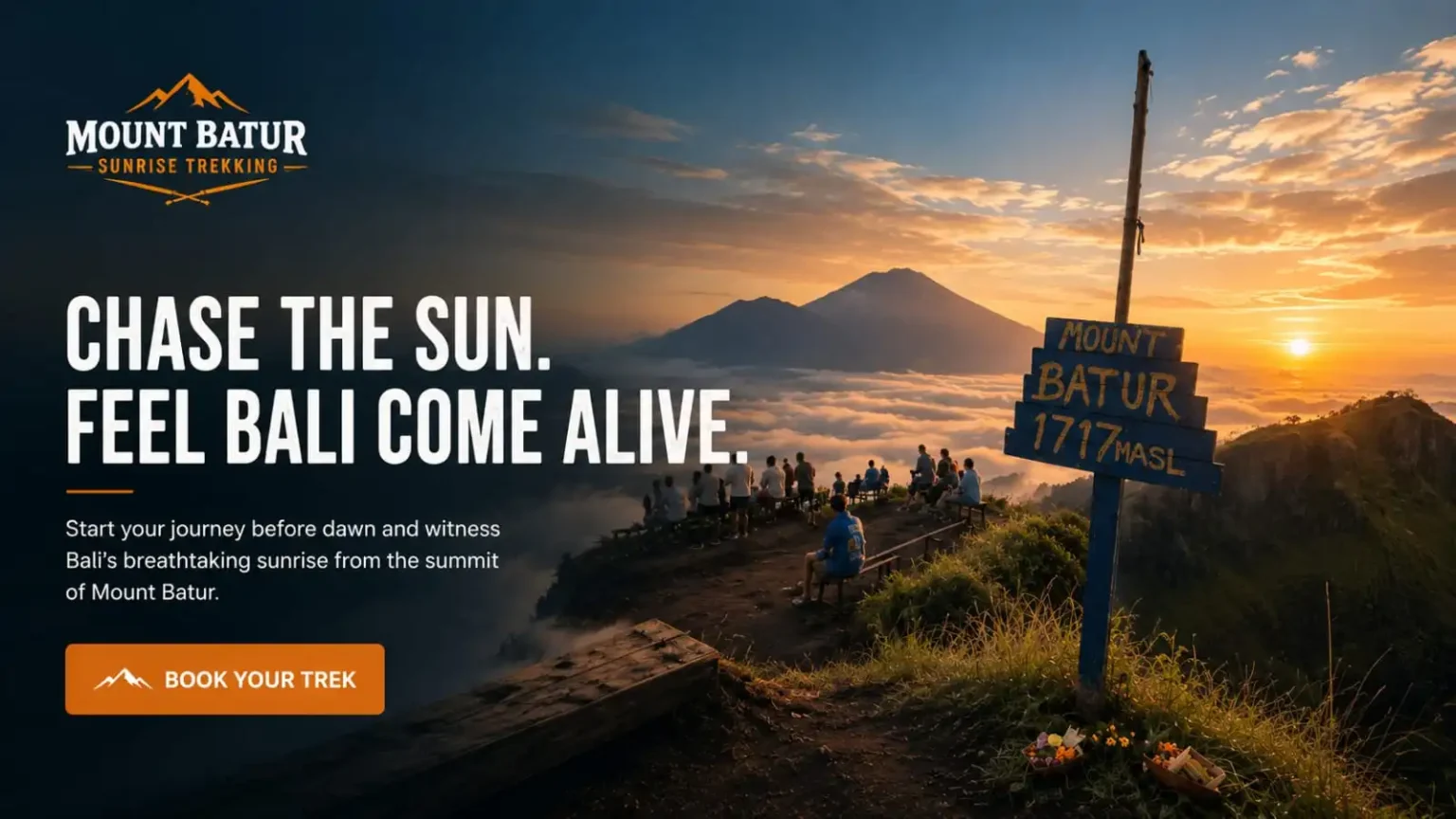
Rising majestically to 1,717 meters above sea level, mount batur trekking stands out as one of the most exhilarating and rewarding adventures in Bali. Located in the heart of Kintamani, this active volcano offers travelers a rare chance to combine physical endurance with moments of pure natural beauty. For anyone visiting the Island of the Gods, climbing up its slopes to witness a breathtaking sunrise is practically a rite of passage. mount batur trekking
Why Mount Batur Trekking Should Be on Your Bucket List
Bali is world-famous for its beaches, temples, and terraced rice paddies, but its volcanic landscape adds a dramatic layer of diversity. Mount Batur last experienced significant activity in 2000, yet it remains a safe and remarkably popular destination for hikers worldwide.
The primary draw of mount batur trekking is the iconic sunrise experience. Watching the sky transform from a blanket of stars into vibrant hues of tangerine, gold, and pink over Lake Batur and neighboring Mount Agung is an unforgettable spectacle. Furthermore, the trek is short enough to be completed by morning, leaving the rest of your day open for relaxation, exploring cultural hubs like Ubud, or unwinding in local hot springs.
Preparing for Your Ascent: What to Expect
While the mountain is accessible to most fitness levels, proper preparation is essential for a smooth journey. Most sunrise tours kick off well before dawn. You will typically be picked up from your accommodation around 2:00 AM or 2:30 AM to arrive at the base by 4:00 AM.
The climb takes roughly 1.5 to 2 hours, depending on your pace and physical condition. The trail is divided into distinct terrains:
- The Lower Slopes: This section features gentle slopes composed of dark, loose volcanic sand and gravel where every step requires steady footing.
- The Mid-Section (Rock Scrambling): As you ascend higher, the path transitions into rugged rocky terrain, requiring you to use both your hands and feet in certain spots.
- The Summit Ridge: The final stretch can be steep and windy, but it rewards your determination with immediate access to the viewing platforms.
Essential Gear and Safety Tips
Trekking in the dark requires careful planning. Because temperatures at the summit can drop sharply—sometimes down to 10°C (50°F)—dressing in layers is crucial.
- Footwear: Leave the flip-flops behind. Sturdy running shoes or lightweight hiking boots with good traction are necessary to handle the loose gravel and rocky surfaces.
- Clothing: Bring a windproof jacket, long pants, and a beanie or hat. You will generate plenty of body heat while climbing, but you will cool down rapidly once you stop moving at the top.
- Lighting: While local guides often supply basic flashlights, wearing a personal headlamp keeps your hands free to navigate uneven ground safely.
- Guides: Local regulations require hiring an official guide from the local association. They ensure your safety, point out the best paths, and often cook a simple breakfast—such as eggs boiled using natural volcanic steam—right at the peak.
Beyond the Summit: Descending and Unwinding
After soaking in the sweeping panoramic views and capturing stunning photographs of the caldera, the descent begins. Coming down is generally faster, taking about an hour to an hour and a half, though the loose volcanic scree means you should watch your footing to avoid slipping.
Many excursions wrap up with a visit to a nearby natural hot spring or a coffee plantation tour. Soaking your tired muscles in mineral-rich thermal waters while looking back up at the majestic peak you just conquered is the ultimate way to conclude your adventure.
Ultimately, mount batur trekking delivers much more than just a physical workout. It offers a profound sense of achievement, a deep connection to Bali’s dramatic geological wonders, and memories of a sunrise that will stay with you long after you return home.
